
Framing Speed: Essential Tips for Motorsport and Performance Photography
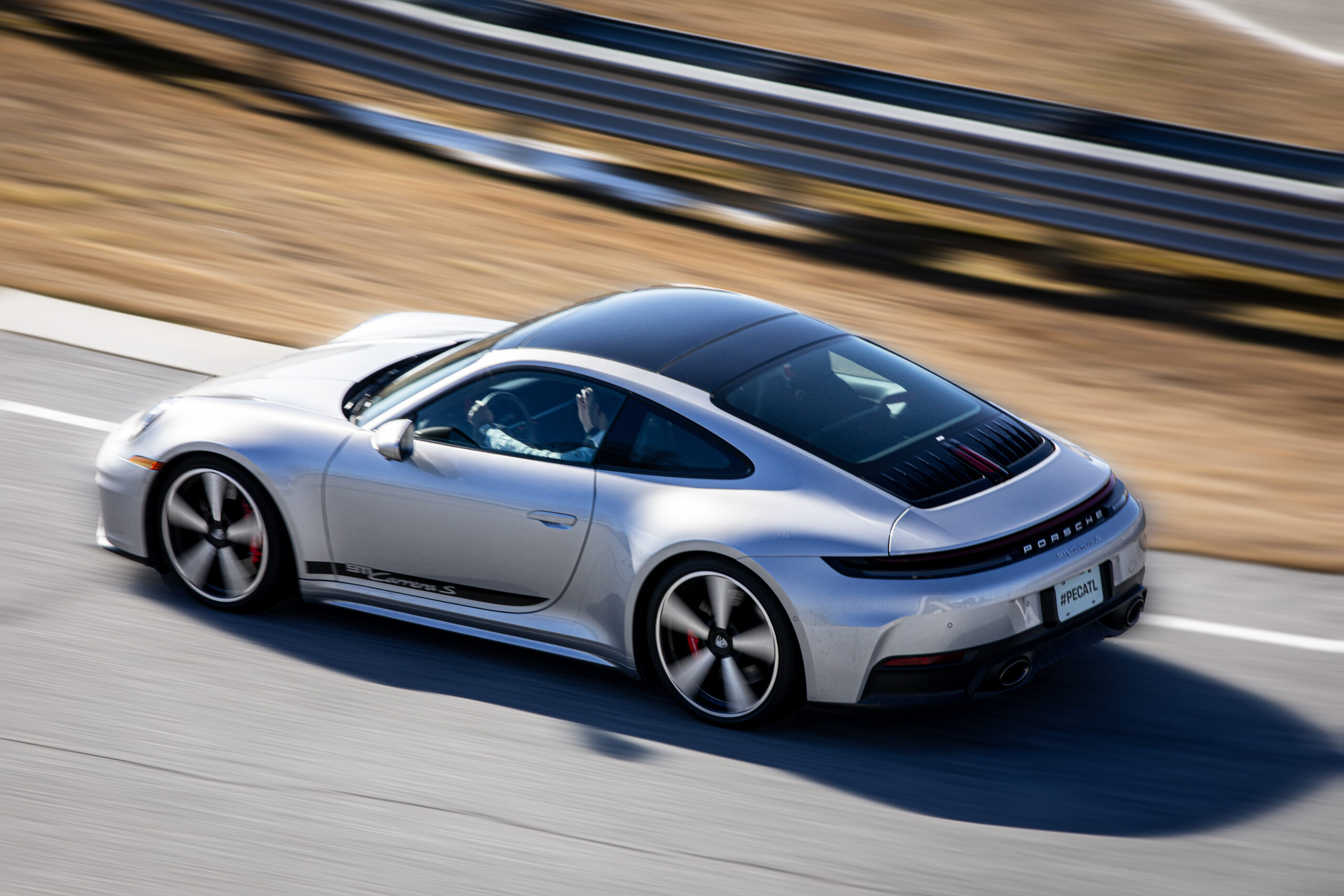
he roar of the engine, the smell of burning rubber, and vehicles flashing past you at a fraction of a second… Motorsport photography is not just about pressing a shutter button; it is the art of freezing speed, power, and mechanics in a single frame. But how do you capture those dynamic shots that make the viewer feel the rush?
Here are 5 core strategies to master the art of performance photography:
1. Feel the Speed with Panning
Keeping the vehicle sharp while turning the background into a blur of motion is the signature look of motorsports. This technique is achieved by using slower shutter speeds (such as 1/60 or 1/125) and moving the camera in perfect sync with the vehicle’s speed.
-
Pro Tip: Use your body as a pivot point and follow the vehicle in a smooth arc as it passes. The result: an incredible sense of motion in the wheels and the background!
2. Shutter Speed: Freeze or Flow?
You don’t always shoot at slow speeds. If you are capturing a “motocross” jump or the sharp details of a high-speed corner, you need to push your shutter speed to 1/1000 or higher.
-
Caution: When freezing the action, be careful not to make the vehicle look “parked.” A slight blur in the wheels usually makes the shot feel more realistic and grounded.
3. Composition: Give the Vehicle Room to Move
A common mistake in performance photography is centering the vehicle perfectly. Leaving space in front of the vehicle (similar to “look room” in portraits) gives the viewer a sense of direction and momentum.
-
Expert Tip: Shooting from low angles makes the vehicles look more powerful and imposing.
4. Autofocus Settings: Stay on Track
To capture a subject in constant motion, set your camera’s focus mode to AF-C (Nikon/Sony) or AI Servo (Canon). Modern cameras with “Vehicle Tracking” features significantly minimize the margin of error in high-performance shoots.
5. Safety and Strategic Positioning
Safety is the #1 rule when shooting trackside. Never enter restricted zones. Calculate the direction of the light (aim for the golden hour) and focus on “apexes” or corners where the action is most intense.
Donec consectetur pellentesque
Quisque vel pharetra arcu. Nulla vehicula mauris a magna posuere, quis interdum odio fringilla. Nam in lectus ut ligula placerat sodales. Phasellus sed sapien vitae augue interdum semper. Pellentesque habitant morbi tristique senectus et netus et malesuada fames ac turpis egestas.
Professional Note: The best performance photos are captured at the moments of maximum tension—when tires lift off the ground or brake discs glow red under heavy friction.
Emin demiral
Conclusion: Writing the Story of Speed
Motorsport photography requires as much patience and observation as it does technical knowledge. When combined with the right gear and technique, you aren’t just taking a picture of a car; you are telling the story of speed and engineering.
 Next post
White dreams
Next post
White dreams
4 Comments
Great article that respects the reader’s time.
This website has quickly climbed to the top of my list.
my web-site Новини
Хорошая статья, материал действительно стоящий.
Сайт полезный, часто сюда захожу.
https://manuale.pp.ua/.
Stop by my web page – ОстроОко состав
This article is a wonderful contribution to the field. I appreciate
the immense utility of this well-designed website. https://manuale.pp.ua/.
My blog post; Flexoderil инструкция
hi!,I love your writing so much! proportion we be in contact
more about your post on AOL? I require a specialist on this area to
unravel my problem. May be that is you! Taking a look forward to see you.
Here is my web page – mostbet kasyno