What to Expect on the Day of Your Corporate Event Photography
When you’ve booked a photographer for your corporate event, understanding what happens on the actual day helps you coordinate better and ensures nothing gets missed. Your photographer arrives with a plan, backup equipment, and a clear timeline—but knowing what to expect from setup through final delivery helps you facilitate smooth coverage and get the most value from your investment.
On the day of your event, expect your photographer to arrive 15-30 minutes before the contracted start time to scout lighting conditions, identify key locations, and confirm the shot list with you or your event coordinator. Coverage then proceeds according to your timeline, capturing arrivals, presentations, candid interactions, branding elements, and key moments. The photographer works discreetly during formal portions and more actively during networking sessions, delivering 25-35 edited images per hour to your online gallery within 2-3 business days after the event.
Pre-Event Arrival and Setup
Professional event photographers don’t just show up at the event start time. Expect arrival 15 to 30 minutes early to assess the venue and prepare. During this window, the photographer walks through the space to evaluate lighting conditions, locate electrical outlets if supplemental lighting is needed, and identify the best angles for key moments like presentations or award ceremonies.
This is the ideal time for a quick briefing. If you provided a shot list in advance, the photographer will confirm priorities and ask about any last-minute changes. You’ll discuss VIP guests who need extra coverage, branding elements that must be captured, and any areas that are off-limits. If you haven’t met before, this brief face-to-face establishes the working relationship and ensures everyone is aligned.
The photographer also uses this time to test equipment and lighting in the actual venue conditions. Corporate events often involve mixed lighting—overhead fluorescents, colored uplighting, and window light—that requires technical adjustments. Running these tests before guests arrive prevents disruptions later.
Coverage During the Event
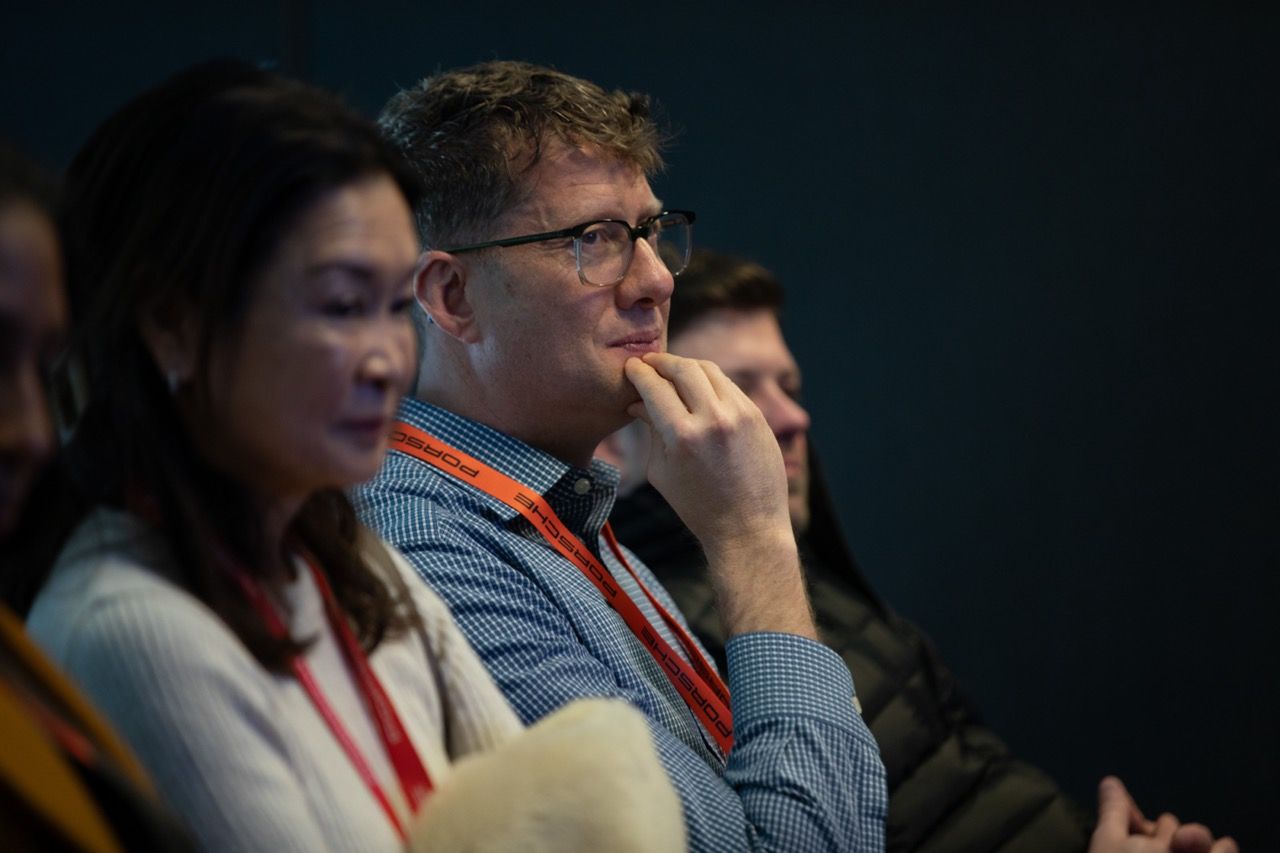
Once your event begins, the photographer shifts into coverage mode. The approach varies depending on the event type. For conferences and presentations, expect discreet positioning that captures speakers and audience reactions without blocking sightlines. The photographer moves quietly and avoids distracting presenters or attendees.
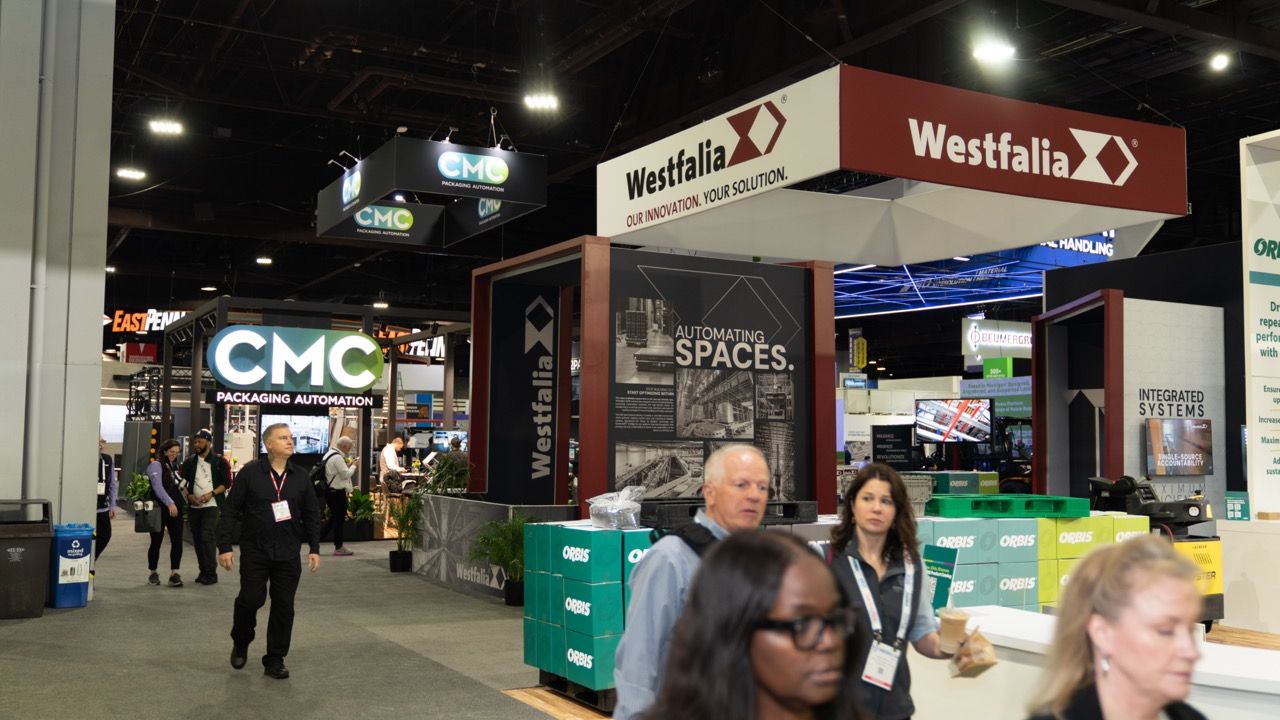
During networking sessions, receptions, or trade show floor time, coverage becomes more active. The photographer circulates to capture attendee interactions, booth engagements, branding displays, and candid moments that show energy and participation. This is when you’ll see the photographer working different angles and seeking out diverse shots—wide room views, small group conversations, detail shots of catering or décor, and individual portraits of key stakeholders.
For milestone moments like ribbon cuttings, award presentations, or keynote addresses, the photographer positions in advance to ensure optimal angles and lighting. These moments happen once, so preparation matters. If you’ve identified these moments in your shot list, the photographer prioritizes them above general coverage.
You’ll notice the photographer checking the back of the camera frequently. This isn’t casual browsing—it’s quality control. Professionals verify exposure, focus, and composition in real time to catch and correct issues immediately rather than discovering problems after the event ends.
Coordinating Group Shots and Formal Portraits
If your event includes planned group photos—an executive team shot, department groupings, or award winner portraits—expect the photographer to take charge of positioning and timing. Gathering groups efficiently requires clear direction, and your photographer will handle that.
Your role is to help assemble the right people at the right time. If you’ve scheduled a specific window for group shots, communicate this to the relevant attendees in advance. The photographer can execute quickly when participants are ready and willing, but cannot force busy executives or attendees away from other priorities.
For events with a headshot lounge component, expect a dedicated setup in a separate area with controlled lighting and a backdrop. Attendees visit the lounge at their convenience during the event, and the photographer manages the queue and captures professional portraits at a steady pace.
Equipment and Backup Plans
Professional event photographers arrive with backup equipment: multiple camera bodies, extra lenses, additional memory cards, and spare batteries. You won’t typically see this redundancy, but it’s standard practice that prevents a single equipment failure from ending coverage.
If the venue experiences technical issues—power outages, lighting failures, or HVAC problems that affect room temperature and equipment function—your photographer adapts. Battery-powered lighting, fast lenses that work in low light, and flexible positioning ensure coverage continues even when conditions aren’t ideal.
Wrapping Up and Departure
At the contracted end time, the photographer captures any final moments, confirms with you that all priority shots have been covered, and discreetly packs equipment. If the event runs significantly longer than planned, discuss whether extended coverage is needed. Event photography is typically billed at $225 per hour with a two-hour minimum, so additional time can be added if valuable moments are still happening.
Before leaving, the photographer may do a final walk-through to capture clean shots of the venue setup, signage, or branding elements without crowds—images that are useful for marketing future events.
After the Event: Editing and Delivery
Once the event concludes, your photographer’s work continues. All images are downloaded, backed up, and reviewed. The editing process includes selecting the best shots, color correction, exposure adjustments, and cropping for composition. Professional editing ensures consistent quality across your gallery.
Expect delivery of 25-35 edited images per hour of coverage. A four-hour event yields approximately 100-140 finished images. These arrive in an online gallery within 2-3 business days for single-day events, or within five business days for multi-day conferences where the volume is larger.
Your gallery includes full usage rights for marketing, PR, social media, and internal use. You can download high-resolution files directly and share gallery access with colleagues, executives, or your marketing team. No watermarks, no restrictions on reasonable business use.
Frequently Asked Questions
What if my event runs longer than the contracted time?
If your event extends beyond the planned coverage window, let your photographer know as soon as it’s clear you’ll need additional time. Additional coverage is billed at the standard hourly rate of $225 per hour. Most photographers can accommodate extensions if they don’t have another commitment immediately following your event.
Can the photographer take specific requests during the event?
Yes, but timing matters. If an important moment or person appears that wasn’t on the original shot list, quietly flag it for the photographer. Avoid frequent interruptions during key event moments, but do communicate priority changes that affect coverage decisions.
Will the photographer need anything from me or the venue?
The photographer brings all necessary equipment, but venue coordination helps. Confirm that the photographer is on any access lists, especially for secure buildings or restricted areas. If the event includes a meal, offering the photographer a plate during downtime is courteous but not required. Access to power outlets is helpful for charging backup equipment during long events.
Planning an event in Atlanta? Get a quote from Eze Creatives.